WINTER UPDATE: Check their water before the cold sets in.

It’s More Than Cold: What Your Hens Need This Winter

10/08/2026 · Dr. Valerie Henley · Poultry veterinarian
I'm Dr. Henley. Cold weather changes more than the temperature. Here's what I check in a winter flock, and where daily nutritional support fits.

Written by Dr. Valerie Henley

Poultry veterinarian · Winter care guide · 7 min read
“Before you put a quieter flock down to winter, look at what each hen is eating, drinking and doing. Here's where I'd start.”

Dr. Valerie Henley

Before You Blame Winter, Look at the Whole Bird
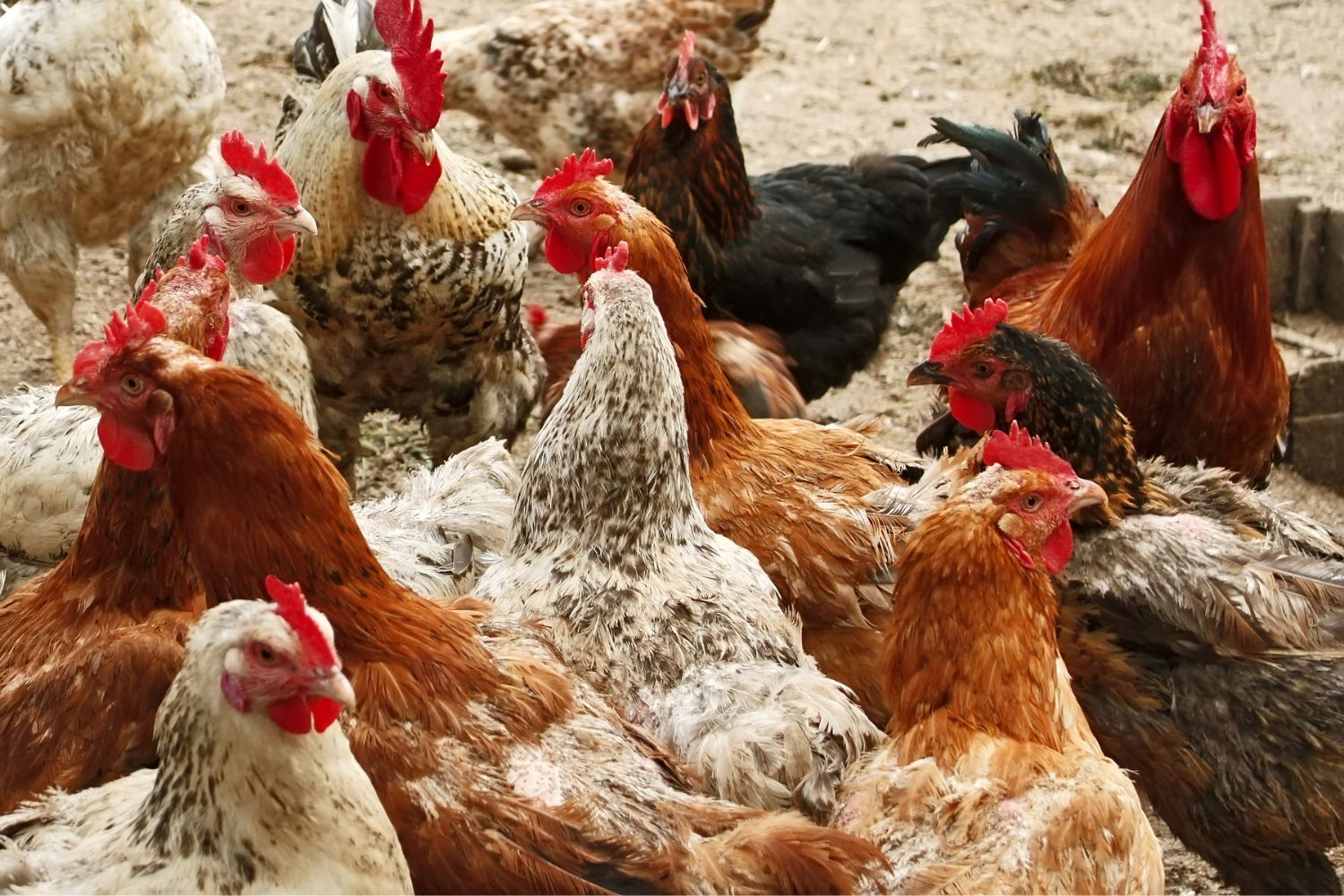
A hen staying close to the coop can look very different from the busy girl you watched scratching through the run all summer.
Fewer eggs can come with shorter days. A hen finishing her molt has another demand on her body. Those changes deserve attention, but they don't tell you that her immune system is failing.
I want you to notice what has changed for her. Is she eating her usual feed? Can she reach unfrozen water? Is she moving with the flock, or staying apart? A hen who's persistently hunched, struggling to breathe or refusing food needs a poultry veterinarian.

Cold weather asks her body to use more energy to stay warm. Wet bedding and poor airflow add problems of their own. Meanwhile, water can freeze between your morning and evening visits. A full waterer doesn't help if she can't drink from it.

That's why I start with the daily basics. Support for digestion and normal immune function belongs alongside good husbandry. It can't compensate for a frozen drinker or a damp, closed-up coop.

Don't wait for a sick hen to check the setup.

Make the next water refill a flock check.

These are the winter shortcuts I'd ask you to reconsider:

Shutting every vent: block wind at roost level, but leave a route for damp, stale air to escape.
Topping up the drinker once: check again during freezing weather. Ice can make a full drinker unusable.
Extra scratch instead of feed: keep the balanced ration as the main meal.
Covering damp bedding: remove wet patches and find the leak or spill before adding clean bedding.
Waiting for a bird to look worse: poor appetite, breathing trouble or persistent hunched posture deserve veterinary advice.
You don't need to guess what's happening inside her to make those checks. Start with what you can see and correct. Once the basics are in place, a measured water supplement can be a simple way to add daily nutritional support.
Where Immunity Booster Fits
Roosty's Immunity & Digestion Booster goes into drinking water for daily immune and digestive support.

SUPPORT YOUR FLOCK

4.8/5 · 421 Immunity Booster reviews
Here's what you're adding to their water.
The formula contains flaxseed-sourced omega-3 oil, oregano oil, turmeric and poultry vitamins, including D3 and E. Its job is nutritional support for normal immune function and digestion.
I like a care step you can measure and repeat. You don't need to catch each hen or change her regular feed. Mix the labelled amount into fresh drinking water, then make sure every bird can reach the drinker and is actually drinking.
There is no egg withdrawal when used as directed. That doesn't mean a supplement will bring laying back on a schedule; daylight, age, molt and health still matter.
This is a non-medicated supplement. If a hen is unwell, get advice about her condition. Don't keep adding more in the hope that it will treat her.
Work Out Your Water Supply, Then Your Cost
At 1 fl oz per gallon, a 16 fl oz bottle makes 16 gallons of treated water. One-time price: $29.80, about $1.86 per prepared gallon. Your flock's daily cost depends on how much fresh water you prepare and replace.
DAILY WATER GUIDE
Shake. Measure. Mix.
→
→
Shake well
1 fl oz
1 US gallon
Mix into fresh drinking water.
Use daily, following the bottle label.
Refresh daily. Keep water unfrozen.

How to use it in plain terms

Shake well. Mix 1 fl oz into 1 US gallon of fresh drinking water, daily, following the bottle label.
Keep regular balanced feed available. This formula goes in drinking water, not in the feed.
Check that each hen drinks. Refresh the water daily and keep it unfrozen throughout the day.
What to Watch as Winter Goes On
Before the cold
Check the setup

Check drinkers, feeders and bedding before the cold settles in. Watch how each bird moves with the flock.

First refill
Measure and watch

Shake well and measure 1 fl oz per gallon. Watch for drinking; the amount each hen takes in will vary.

Every day
Water she can reach
Refresh the water. Check for ice and dirty drinkers. Make sure quieter birds aren't pushed away.
Through winter
Know her usual habits
Watch appetite, activity and droppings. Fewer eggs alone don't tell you the cause of a change.
If she seems unwell
Call a poultry vet
Don't wait to see whether a supplement helps. A hen who seems unwell needs veterinary advice; a supplement doesn't replace examination or treatment.
You Know Your Girls. Watch for Changes.
It's understandable to put a quieter flock down to the season. I'd rather you take a closer look while you're already refilling their water. A small change in one bird can be easier to spot when you know her usual habits.
Keep the coop dry, the feed balanced and the drinkers accessible. If you choose Immunity Booster, use the measured amount as part of that routine. Daily support is one piece of winter care, and knowing when a hen needs veterinary help is another.
DAILY WATER SUPPORT
Roosty's Immunity Booster
Immune & digestive nutritional support
16 fl oz bottle · $29.80 one-time
Supports normal immune function and digestion alongside balanced feed
No egg withdrawal when used as directed
Shake well; 1 fl oz per gallon of fresh drinking water, daily
Non-medicated supplement; veterinary care for an unwell hen
VIEW IMMUNITY BOOSTER