What Your Hens’ Droppings Are Telling You: 4 Signs to Watch
Dirty vents. Poopy eggs. Droppings that won’t firm up. Here’s what to look for, and what to do next.
By Dr. Valerie Henley
Poultry veterinarian · 5-minute read
Updated October 21, 2026
Table of contents
01 Normal droppings
02 4 warning signs
03 When to call a vet
04 Daily care
05 FAQ
Dirty vent feathers (left) and a hen’s lower digestive tract (right).
A butt bath cleans her feathers. It doesn’t explain why the mess keeps coming back.
You might start with a butt bath: clean off her feathers, dry her carefully and put her back with the flock. It deals with the mess you can see.
But when the same hen is messy again a few days later, look at what she’s passing, too. Her droppings can give you a reason to check what’s happening in her gut.
There’s also a daily feed step that supports her gut alongside clean bedding and fresh water. Below, we’ll show you how it fits into the routine.
The quick read
• Occasional cecal droppings can be normal.
• Repeated watery droppings or recurring vent soiling deserve a closer look.
• Blood, lethargy or reduced eating: call your vet.
• What goes into her feed matters, too.
See the daily gut-support step below ↓
A quick guide to hen droppings¹
Regular droppings
Formed, usually brown or grey, with a white cap.
Cecal droppings
Occasional, sticky brown droppings. These can be normal, too.
Repeated watery droppings
A change to watch, especially if she’s eating less or seems unwell.
Cleaning removes what’s stuck to her feathers. If it keeps happening, the next thing to check is the droppings themselves.
Is the same hen getting messy every day? Are her droppings looser than usual? Take a photo and note which bird it is. That pattern tells you more than the mess from one afternoon, and gives your vet something useful to work with.
2. Loose or watery droppings keep showing up
One sticky cecal dropping isn’t the same as repeated watery or foamy droppings. Look for a change that keeps appearing across the day.
Note when it started, whether you changed the feed and whether she’s eating normally. A hen that’s quiet or eating less needs prompt veterinary advice.
3. The eggs are getting dirtier, too
Check the nest box as well as your hens. Dirty bedding or roosting over nests can leave eggs soiled.
When dirty eggs appear alongside loose droppings, messy vents or thinner shells, record those changes together. They give you a fuller picture of what’s happening in the flock. Start with the bedding and the bird the egg came from.
4. She’s losing condition alongside the mess
Weight loss, a pale comb or fewer eggs alongside messy droppings gives you more reason to pay attention. Watch her at feed time. Is she keeping up with the others, or hanging back?
You know what your girls usually look like. If one is becoming weak or isn’t eating normally, get veterinary advice.
Hens scratch and peck at the ground every day. Parasite exposure comes with that territory. Parasites can damage the gut and affect nutrient absorption; bacterial imbalance can affect digestion, too.²
That’s why a dirty vent can be a gut report, rather than just another cleaning job. Feed changes, stress and increased drinking can also change droppings. The repeating pattern matters.
In wet weather, keep bedding dry. Coccidia thrive in moist, heavily soiled litter. Good coop care and daily gut support belong in the same conversation.
When to call your vet
Blood in droppings, visible worms, a hunched or lethargic hen, or reduced eating need prompt advice. Unexplained deaths or several sick birds should also be reported to your state animal health office.³
Keep bedding dry, clean the drinkers and give your hens fresh water. Then look at what goes into the feeder.
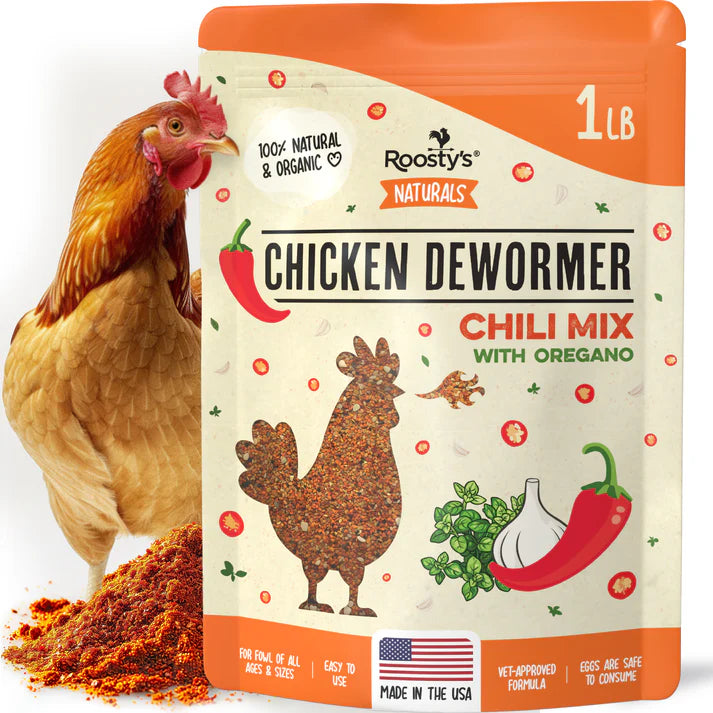
Flock Armor adds daily gut support to the feed they already eat. Chili, oregano, garlic, black pepper and flaxseed, in one vet-reviewed blend.
Chili helps make the gut an environment parasites hate. Oregano supports gut balance, while flaxseed supplies omega-3 nutritional support.
Mix one 1 lb pouch into a 50 lb bag of feed. Follow the label directions. No egg withdrawal.
Claim 65% off flock armor today
→
Dr. Valerie Henley
Poultry veterinarian
What Flock Armor keepers have noticed
★★★★★
My chicks are doing so much better. No runny poop, vents are clean and more eggs. Thankyou so much!
Barbara L. · 2026-10-10
★★★★★
My hens used to always have poop hanging on their butts. Now they all have clean fluffy butts! This is the only thing we changed. I’m a believer now.
Heather G. · 2026-09-19
★★★★★
My 6 year old RI Red hen had poopy butt prior to the Flock Armor chili pepper mix. This stuff is pretty awesome!!! Now she has a nice clean fluffy butt. Thank you
Rhonda V. · 2026-08-14
See if Flock Armor fits your flock
Take a closer look at the blend, feeding guide and options for your girls.
GET UP TO 65% OFF TODAY
CLAIM THIS DEAL
90-Day Money-Back Guarantee
Questions keepers ask
Is green poop always a warning sign?
No. Grass can make droppings green. A lasting change with reduced appetite or activity needs veterinary advice.
What are cecal droppings?
They're normal waste from the ceca, part of the digestive tract. They're usually sticky, brown and stronger smelling than ordinary droppings.
Can I still eat the eggs?
Flock Armor has no egg withdrawal. Follow safe egg handling, and ask your vet about eggs from an unwell or medicated hen.
How long until her vent stays clean?
It depends on the cause. Keep a record of what changes. If the mess keeps coming back, ask your vet to help find out why.
Is it safe with medicated feed?
Ask your vet about the exact feed medication and supplement label before combining them. Follow any medicine-specific directions and egg-withdrawal advice.